Renovating in Geneva isn’t just about choosing beautiful materials; it’s also about framing and managing the project professionally. SIA standards in Geneva often serve as a benchmark for discussing quality, budget, deadlines, and responsibilities.
However, be aware that these regulations do not automatically replace the legal or administrative obligations applicable in Geneva. For an apartment, an older building, or a condominium, this difference quickly impacts the cost, schedule, and overall peace of mind during construction.
What the SIA standards cover in Geneva
The SIA standards are Swiss technical and contractual references. In renovation projects, they provide a common language for the client, the architect, and the contractors. They govern, for example, quantity surveying, quality of workmanship, acceptance of the work, and the handling of defects.
In practice, SIA 118 is frequently mentioned. It becomes truly meaningful when explicitly referenced in the contract. To verify the relevant texts, one can consult the SIA standards and regulations, as well as the Geneva section of the SIA .
Here’s the difference to keep in mind:
| The SIA standards | Geneva’s rules may impose |
|---|---|
| Quality of execution, measurements, acceptance, defects | Permits, energy, heritage, security, PPE decisions |
In short, the SIA provides the method; Geneva can add obligations.
The SIA standards serve as a technical and contractual compass. They never replace authorization or a PPE agreement.
This is where many owners go wrong. If you replace windows, alter the structure, modify a wet room, or work in common areas, cantonal, municipal, or condominium regulations may apply. And these requirements vary depending on the canton, the municipality, and the type of building.
Apartment, old building, condominium: where the differences cost a lot
In a Geneva apartment, the most costly mistakes are often invisible. Relocating a kitchen requires more than just a beautiful plan. Drainage, slope, ventilation, acoustics, access to ducts, and sometimes even approval from the building management must all be addressed.
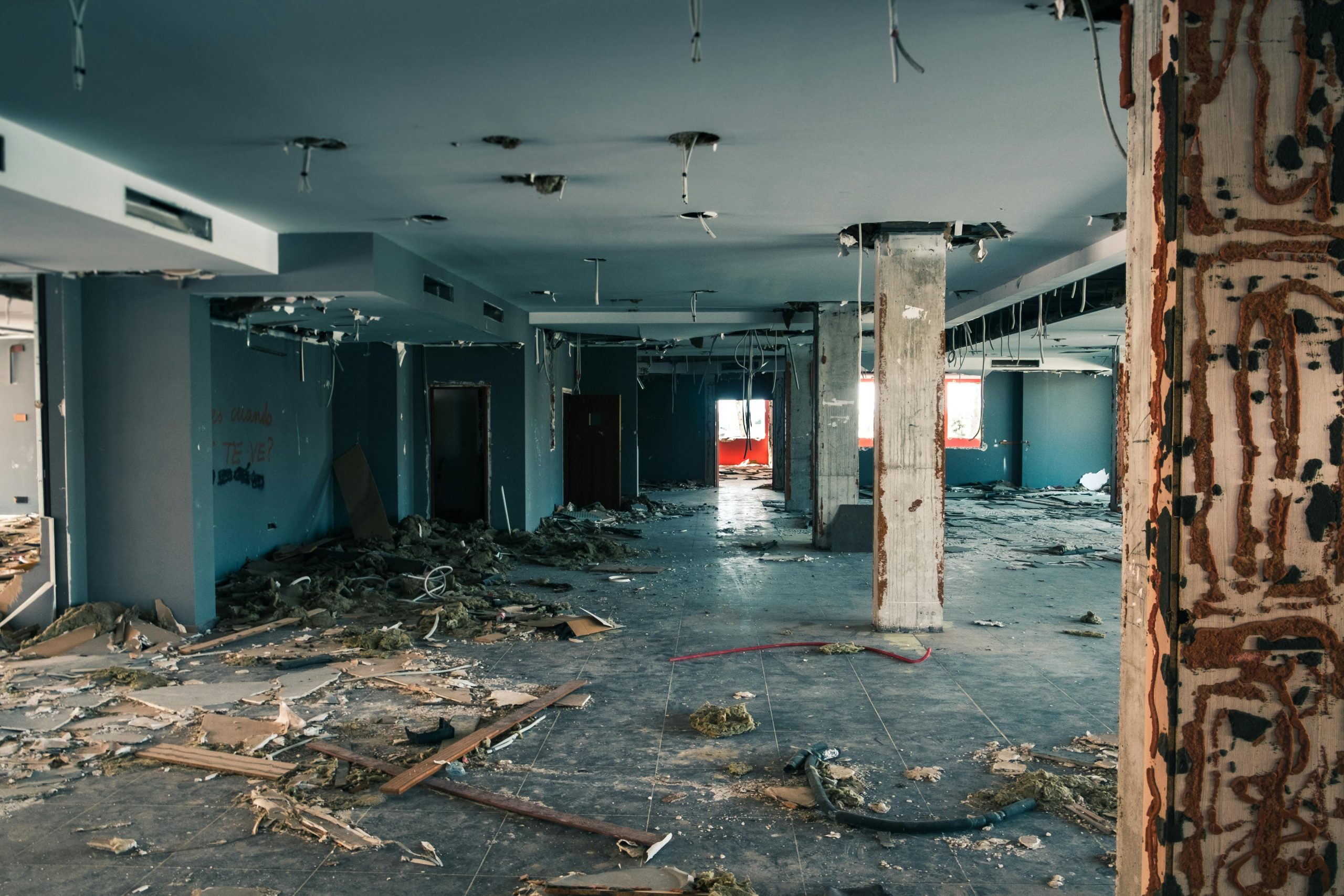
Photo by Jo Kassis
In an old building, a construction site often resembles an open clock; everything is interconnected. A floor might be uneven, a wall covering might conceal utilities, or demolition might reveal a local weakness. That’s why a thorough survey and preparation phase can prevent many surprises.
In a condominium, the issue isn’t solely a private matter. Windows, utility shafts, facades, openings, schedules, the protection of common areas, and elevator use can all affect the entire building. Before buying to renovate, request the building regulations, the latest meeting minutes, and information on any work already approved.
For a high-end property, a company with structured renovation project management helps clarify these points before the first hammer blows. This is often where the difference lies between a well-managed project and a series of decisions made under pressure.
Energy efficiency and safety: the Geneva filter
In Geneva, energy is no longer addressed at the end of a project. It influences the budget from the outset. According to data available in spring 2026, a building with a building energy performance coefficient (BPC) exceeding 222 kWh/m²/year may need to be renovated to achieve 125 kWh/m²/year. These thresholds must always be confirmed with the relevant authorities, as regulations are subject to change. To define this aspect, a pre-construction energy audit remains the best approach. Meanwhile, the SIA 4028 consultation on climate data shows that energy-related calculation methods continue to evolve.
Photo by Maria Orlova
Safety, too, goes beyond simply maintaining the construction site. It encompasses the waterproofing of bathrooms, fire protection, guardrails, electrical systems, ventilation, and air quality after the work is completed. In a high-end renovation, the finishes catch the eye, but it’s often the invisible layers that truly protect your investment.
Tenders, quotes, acceptance: the moments when everything is decided
Most conflicts arise before work begins, in a vague estimate. If the definition remains unclear, each variation becomes a surprise, then an additional charge. A well-written estimate describes the exact scope, exclusions, materials, access conditions, technical assumptions, and the procedure for validating additional costs.
A solid quote should specify three things:
- The exact perimeter : what is included, room by room.
- Exclusions : what remains to be paid or confirmed.
- The change method : how to quantify and validate a modification (amendment/change order).
The handover process deserves the same attention. Inspect each room individually. Test the lighting, fixtures, faucets, floor slopes, seals, ventilation, and doors. Note any issues in writing, specifying the timeframe for repair and identifying the responsible party.
Since January 2026, the revision of the Swiss Code of Obligations (CO) regarding construction defects has changed the framework related to SIA 118. Depending on the circumstances, the reporting of a hidden defect can take up to 60 days from its discovery, and the statute of limitations remains 5 years after acceptance. Here too, the contract must be carefully reviewed.
Renovating in Geneva requires more than just good taste. It demands a clear framework , a precise estimate, and a thorough understanding of local regulations. The earlier you establish the rules, the calmer, more transparent, and more consistent the project will be, reflecting the value of your property.