A renovation project can quickly become a source of anxiety for expatriates or property owners who live several hours away from the property in question. However, renovating remotely remains entirely possible if every decision, payment, and inspection of the renovation work follows a written procedure.
The goal isn’t to monitor the tradespeople all day. Remote management is more about creating a framework where everyone knows what to do, when to ask for your approval, and what evidence to provide before the next step.
Key points to remember
- Prepare a detailed specification and centralize all project documents in a single shared storage space.
- Set a precise financial authorization threshold and delegate only routine tasks to maintain control over decisions.
- Schedule regular weekly check-ins and demand concrete evidence in the form of photos, videos, and video conference visits.
- Do not approve any additional costs verbally and always demand a dated amendment describing the modification and its impact on the budget.
- Link your payments to clear progress milestones and do not close any stage (such as partitions) before validating it.
Renovating remotely thanks to solid preparation
Success is determined before the first hammer blow. Define your expectations room by room, including the desired level of finish, acceptable materials, budget, and a realistic target date. Prioritize your needs, especially if it’s a vacation home where every detail matters. Does a functional kitchen take precedence over high-end finishes in the living room?
Gather plans, diagnostics, measurements, photos of the initial state, quotes, permits, and material selections in a single shared folder. Google Drive, Dropbox, or Notion are ideal, thanks to these digital tools that centralize information, provided that all documents have a clear name and date.

A precise specification document avoids vague “do your best” requests. Describe the colors, references, dimensions, equipment, and constraints. Add inspirational photos, but always link them to a measurable instruction.
Define which decisions to delegate and which to validate.
The tradesperson or project manager can handle receiving a delivery, rescheduling an appointment, or purchasing standard supplies included in the quote. However, you must retain control over any plan changes, material modifications, delays, or unforeseen expenses.
Set a written authorization threshold. For example, any expense exceeding €150 or any visible change must have your approval before being implemented. This rule protects the budget and limits unpleasant surprises.
Choose a reliable local driver
For a complete renovation, an interior designer or project manager can coordinate the various trades. A renovation company also simplifies communication, as it handles the coordination. For a smaller project, an experienced tradesperson may suffice if they agree to provide regular progress reports.
Ask for recent references, proof of insurance, applicable warranties, and a sample report. To make choosing tradespeople easier, request a detailed quote, not just a total amount. The usual cost of site supervision may be a separate item, but it often reduces coordination errors.
A single point of contact does not replace your approvals. It transforms your instructions into actions that can be verified on-site.
Monitoring a construction site remotely with concrete evidence
An impromptu call is no substitute for a routine. To ensure proper site monitoring, schedule a brief meeting each week, always on the same day, followed by a written report after each major milestone. This document should detail what has been completed, what is still pending, expected decisions, and the work planned for the following week as part of the work schedule.
Also centralize signed quotes, invoices, photos, correspondence, and addendums. When information circulates via text messages, emails, and calls, an important detail often ends up being lost.
Request photos, videos and live tours
A good report shows an overview of each room, followed by useful details. Specifically, ask about the utilities before closure, the materials delivered, the meters, any defects, and the completed work. The photos should be dated and taken from multiple angles.
Organize a video conference before closing the partitions, during the installation of insulation, waterproofing, electrical wiring, and plumbing. These elements become difficult to control once covered.
Block one step before moving on to the next
Link your payments to clear milestones, such as demolition, surface preparation, utilities, partitions, wall coverings, equipment, and finishes. Keep a simple chart with the person responsible, the scheduled date, the progress, any outstanding issues, and the next action.
No concealed element should be resealed without photos and validation. This quality control rule is particularly useful for electrical conduits, pipes, and waterproofing membranes during your renovation work.
Budget, contracts and quality: the key points to secure
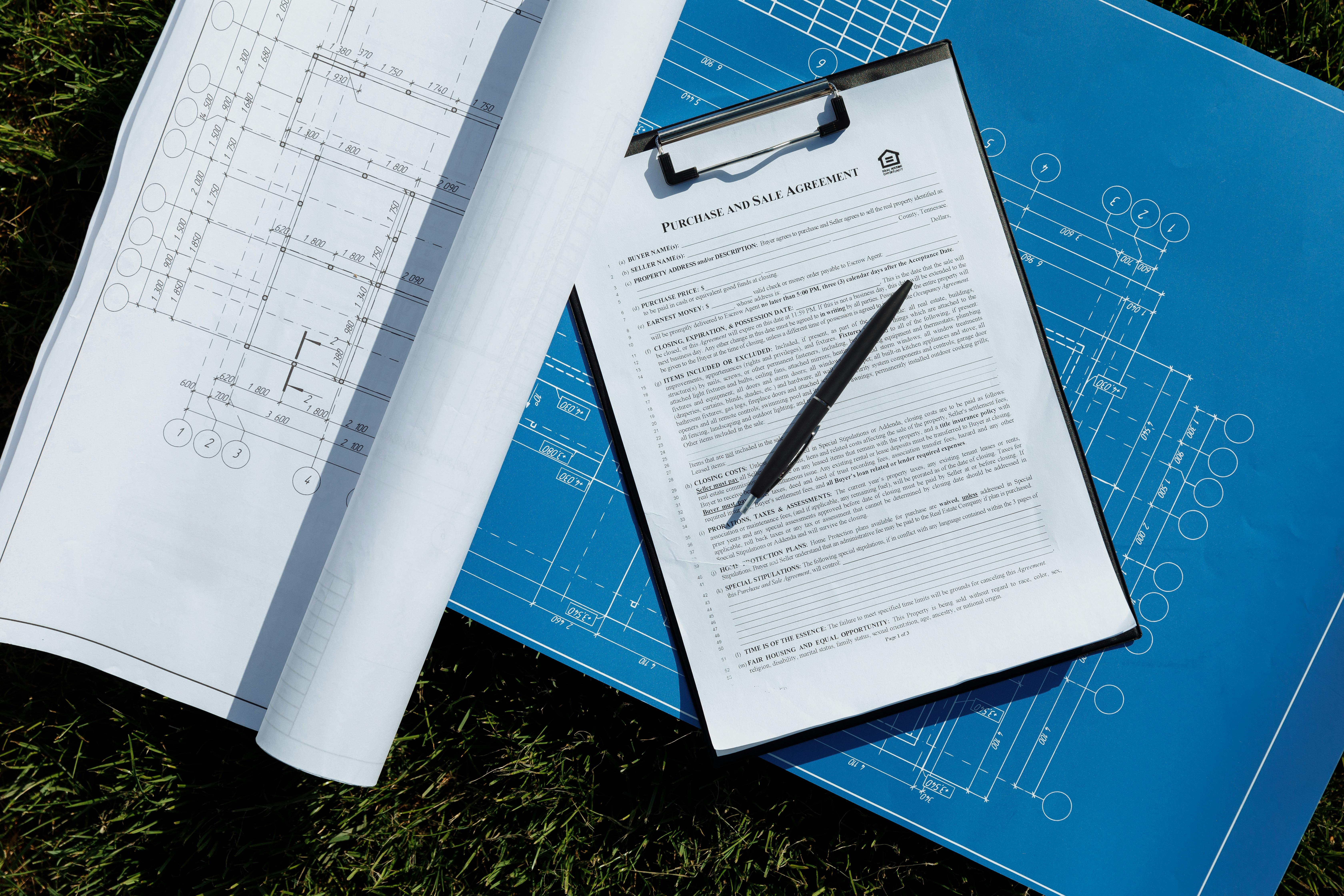
The quote describes the agreed-upon work and its price. An addendum modifies this framework. An invoice requests payment for services rendered. Never confuse these documents, even if the company pressures you by phone.
Set aside a 10-15% contingency to cover unforeseen expenses during construction, especially in older buildings. Track the budgeted, committed, paid, and remaining amounts to be financed. Every change, including those related to energy-efficient renovations, must be documented, including its cause, cost, impact on the schedule, and any additional work it may entail.
Do not approve any additional costs verbally.
A vague message protects no one. Demand a dated amendment that describes the change, the pre-tax and post-tax amounts, and the new deadline. Also, keep a record of your acceptance in the shared folder.
Check the validity of the ten-year warranty, the required planning permissions, the conformity of the construction materials and the final site documents.
Prepare for the handover of the works
Before the work is completed, conduct a pre-acceptance video inspection with your local contact. If necessary, appoint a trusted individual or an independent professional to assess the actual condition of the property.
List any outstanding issues: paintwork, seals, openings, sockets, leaks, slopes, equipment, and cleaning. Before the final payment, request the manuals, invoices, warranties, insurance certificates, updated plans, and the handover report.
Building a team that inspires trust
Control is based on clear responsibilities. Designate a person in charge of the worksite, a primary channel for decisions, and a reasonable response time. Without this organization, several tradespeople may pass the buck for a delay.
A general contractor requires less on-site presence but offers less visibility over each subcontractor. Several tradespeople provide more choice but demand strong coordination. Hiring a project manager provides the essential oversight needed to successfully complete renovations, while keeping in mind the profitability of your rental investment and the property’s value.
For those seeking complete peace of mind, opting for a turnkey service greatly simplifies remote management. Before signing, be wary of an unusually low quote, an excessive deposit, a lack of insurance coverage, untraceable references, or pressure to make a quick decision. In case of delays or disputes, keep photos, messages, and reports. Do not have a defect corrected before documenting it.
Frequently Asked Questions
How can I verify the reliability of tradespeople remotely?
Always request recent references, valid insurance certificates, and a sample project report. You can also take the time to contact previous clients to ask your questions freely and objectively.
What amount of reserve should be set aside for unforeseen events?
It is strongly advised to set aside a budget reserve of 10 to 15% to anticipate unforeseen circumstances on the construction site, particularly in older buildings. This allows you to cover any unpleasant surprises without halting the progress of the work.
What needs to be done before validating a change or an additional cost?
Never agree to an additional cost verbally and always demand a written amendment. This document must detail the modification, the pre-tax and post-tax amounts, as well as the new associated deadline, before being added to your shared file.
How can we control hidden work such as electrical or plumbing work?
Schedule targeted video conferences with your local contact before the walls are closed or the insulation is installed. Also, request dated photos from multiple angles to keep a visual record of each network.
Maintaining control without being physically present
To renovate remotely, you don’t need a permanent presence. You do need a clear set of specifications, a reliable project manager, step-by-step approvals, and a budget that is monitored daily.
Prepare your checklist before starting. Rigorous remote management and planned site monitoring transform distance into a simple organizational constraint, not a loss of control.
Therefore, one of the best ways to verify a company’s credentials is to take the time to check references from current and past clients. This will allow you to ask the questions that are important to you freely and objectively.