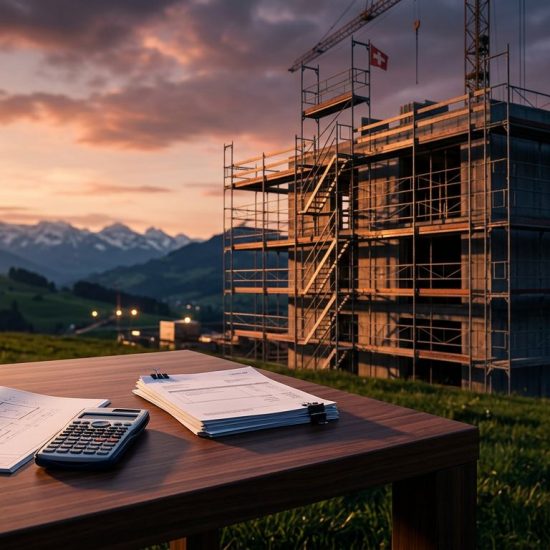
A well-executed renovation protects your comfort, your property, and your time. In Geneva, it can still reduce your tax burden until December 31, 2028.
The housing tax reform, accepted by the Swiss people in September 2025, will come into effect on January 1, 2029. For an apartment or house renovation project in Geneva, the schedule therefore becomes a concrete issue, without justifying rushing the work.
In August 2026, the current system remains in effect. Rental value remains taxable, and eligible expenses remain deductible according to the applicable rules. This framework particularly concerns owner-occupiers. The key is to prepare a solid project, with a controlled budget, deadlines, and supporting documentation.
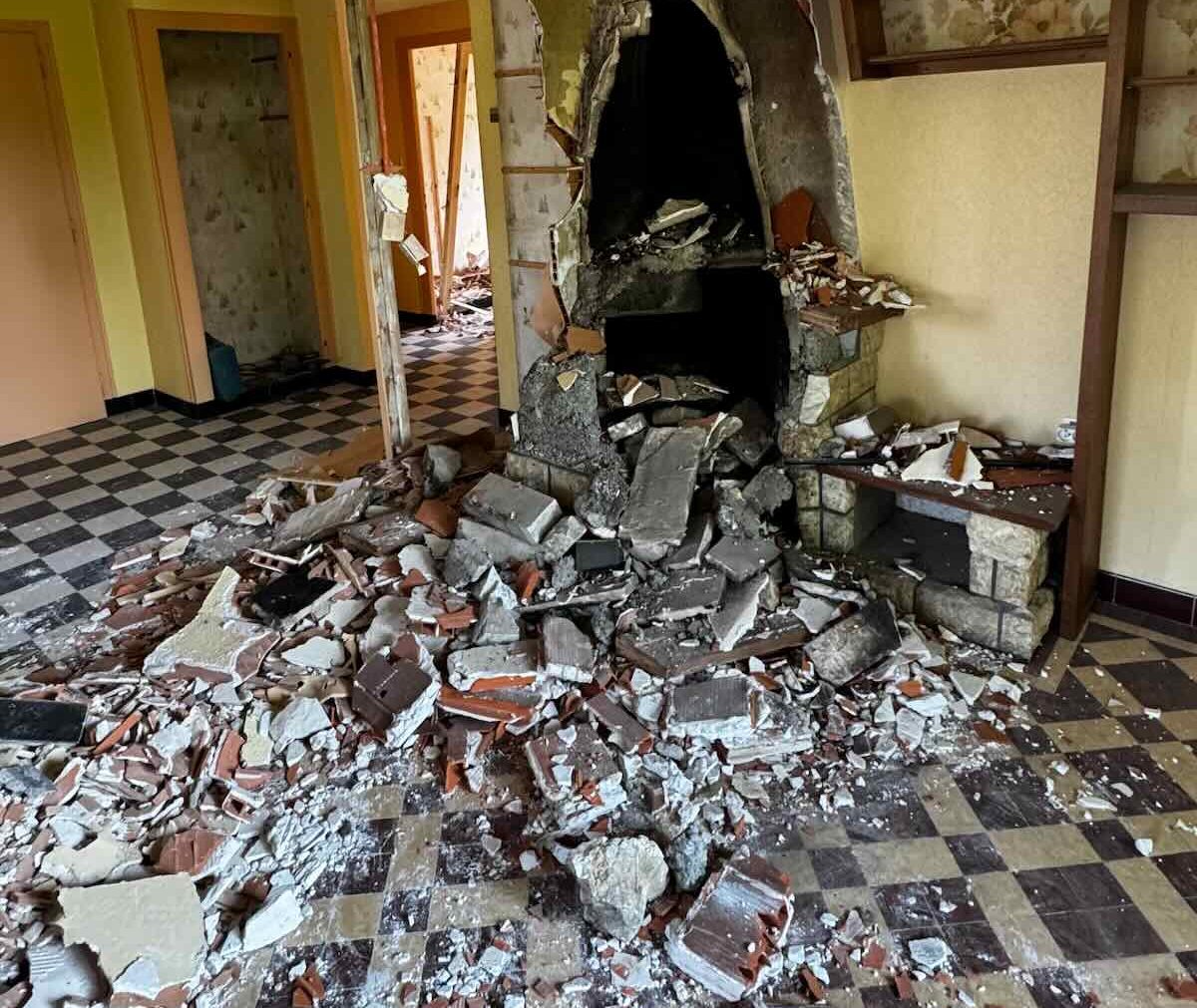
Key points to remember
- Until December 31, 2028, owner-occupiers in Geneva can still choose between actual expenses and the standard deduction, according to the tax rules in force.
- From January 1, 2029, the rental value will disappear, but ordinary deductions for maintenance costs will be largely eliminated for owner-occupied dwellings.
- A renovation should not be rushed for tax reasons. The project must first be justified by the condition of the property, comfort, safety, energy efficiency, and the available budget.
- Quotes, detailed invoices, proof of payment, authorizations and minutes must be kept, with a clear separation between maintenance, improvement and furniture items.
- In Geneva, the PPE (Project Planning and Development), permits, manufacturing lead times, and coordination between companies can prolong a project. A feasibility study and early planning reduce the risk of delays.
Renovation in Geneva: what the tax reform will change from 2029
From January 1, 2029, the rental value of owner-occupied housing will be eliminated. In return, the deduction of building maintenance costs will be abolished at the federal, cantonal, and municipal levels.
The official timetable is now set. The Federal Council’s press release on the entry into force confirms the switchover on January 1, 2029.
This reform concerns owner-occupied primary and secondary residences. Rented or leased properties are subject to a separate regime. Their maintenance costs generally remain deductible, as they are linked to taxable rental income.
What remains deductible in Geneva until the end of 2028
Until the end of 2028, a Geneva property owner can choose between actual expenses and a standard deduction. They select the option most favorable to their situation.
For cantonal and municipal taxes, the usual flat rates are 15% for a building less than ten years old and 25% for those over ten years old. For federal direct tax, they are generally 10% and 20%.
The actual costs cover, according to their nature, the work that maintains the value of the property:
- repair of a roof, a facade or an existing technical installation;
- repainting, replacement of worn coating or built-in household appliance;
- maintenance of joinery, plumbing, heating or sanitary facilities.
The invoice date is often crucial for determining the tax period. A project spanning two fiscal years therefore requires meticulous documentation. Before filing the tax return, a Geneva-based accounting firm should confirm the applicable tax treatment.
Exceptions and still sensitive points
Expenditure related to energy conservation, environmental protection, and the preservation of historical monuments requires closer analysis. Federal law is evolving, but the cantons retain some leeway for certain transitional or targeted measures.
The federal presentation of the real estate reform reiterates the distinction between the new system and cantonal jurisdiction. In Geneva, it will be necessary to check the implementing regulations in force when declaring the work.
In condominiums, payments to the renovation fund are generally not tax-deductible at the time of payment. Expenses related to work actually carried out may be deductible depending on the co-owner’s share and the nature of the services billed.
A single invoice that combines maintenance, improvements, and furniture complicates deductions. A separate itemization of these items should be requested before signing.
Why you shouldn’t wait until the last minute to renovate in the canton of Geneva
The tax deadline is not a reason to start work without prior study. Rather, it encourages moving forward with a project that has already been considered.
A high-end renovation in Geneva takes time. It involves surveying the existing structure, defining the scope, analyzing technical constraints, consulting the condominium association, obtaining the necessary permits, and booking contractors.
The choices of stone, woodwork, faucets, kitchen, and lighting also influence the schedule. Some custom-made elements require several weeks of manufacturing. A delay can push the project’s completion beyond the expected tax period.
Prioritizing tasks before the tax transition
Start with the renovation work that truly protects the property. A roof, waterproofing, outdated electrical wiring, or inadequate ventilation shouldn’t wait for reasons of comfort or safety.
Next come interventions that improve daily use and energy consumption. An energy renovation must be based on a preliminary energy audit or assessment. This analysis helps to identify the truly relevant work.
Interior insulation, thermal insulation, windows, aging heating systems, heat pumps, and even older bathrooms can all be part of a single, cohesive project. However, installing a heat pump requires verifying its technical feasibility and any constraints on the building. In a villa or suitable building, solar panels can also be considered, subject to obtaining the necessary permits.
A renovation in Geneva should be chosen according to the condition of the building, your length of occupancy, the quality of the materials and the available budget.
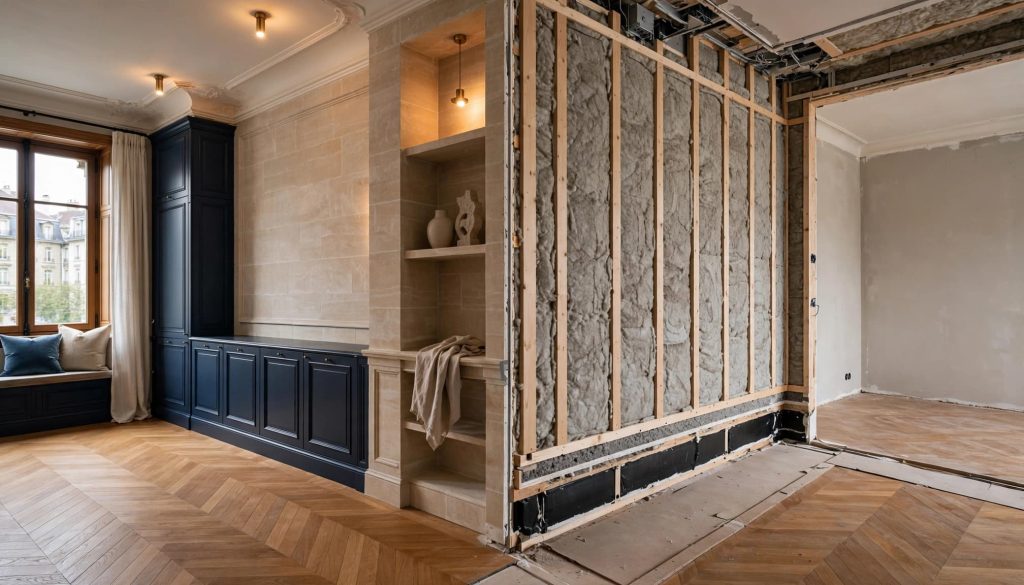
How to secure dates and supporting documents
A well-maintained construction file avoids grey areas. Keep accepted quotes, contracts, detailed invoices, proof of payment, acceptance reports, and correspondence with the condominium association.
Also request a clear breakdown between maintenance, value enhancement, and furnishings. A custom kitchen, for example, may include items subject to different tax implications.
An energy performance certificate is not automatically required for every renovation. Its usefulness depends on the building and the project. Also, check for building subsidies and financial aid available through cantonal, municipal, and federal programs at the time of the project, without assuming you will receive them.
If the project extends into 2028 and 2029, have the planned treatment approved before it begins. Taxation depends on your personal circumstances, the type of property, and the precise classification of the work.
What budget should be planned for a residential renovation before 2029?
In Geneva, a complete renovation often costs around 2,000 to 4,000 CHF per m². This range is a guideline, not a guarantee.
The provisional budget must include fees, administrative procedures, site protection, unforeseen events, technical equipment and finishing touches.
The initial condition of the property changes everything. In an older building, hidden installations, structural repairs, and diagnostics can significantly alter the cost.
Interior design must also meet everyday needs. The layout, kitchen, and bathrooms directly influence the budget. Quality materials can promote durability without necessarily aiming for prestige.
An initial estimate and planning of a residential renovation allows these items to be framed from the feasibility study stage.
Why a quote alone is not enough
A detailed renovation quote must specify the scope, exclusions, materials, deadlines, and any reservations. Without surveys, a clear assessment, and a well-defined scope, costs can fluctuate during the project.
Before comparing offers, check the condition of the electricity, plumbing, ventilation, and structures. Access, building hours, common safety features, and the possible presence of asbestos should also be analyzed.
A reliable budget is not limited to a final total. It must distinguish between included services, options, and any possible variations.
General contractor or separate coordination?
A renovation company can centralize the budget, schedule, and coordination of tradespeople. The project manager then oversees the contractors, deadlines, and approvals.
This organization is particularly suitable for complex renovations, when the owner wants a single point of contact.
Separate coordination may be suitable if an architect has produced a complete project and is monitoring its implementation according to their mandate. However, it requires a very clear division of responsibilities.
In both cases, approvals must be in writing. Scope, variants, schedule, deposits and acceptance must remain legible at each stage.
PPE, permits and construction constraints in Geneva
An interior renovation is never entirely isolated from the building as a whole. In a condominium, the condominium regulations must be consulted before any modification exceeding simple maintenance. Major structural work, load-bearing walls, or common areas require technical inspections and, depending on their scope, authorization from the owners’ association.
Any modification to the facade, windows, ducts, or structure requires additional inspections. Municipal and cantonal regulations may also apply in addition to the condominium bylaws.
Prepare a construction site that is compatible with the life of the building
The construction site must protect common areas and minimize disruption. Access, deliveries, waste disposal, schedules, freight elevators, and parking must be defined before opening.
This preparation avoids costly shutdowns. It also protects relationships with neighbors, which are often strained when construction work drags on.
For an apartment or villa renovation, a schedule allows for the coordination of demolition, utilities, protective measures, deliveries, and finishing touches. The project manager ensures the order of operations and obtains the necessary approvals. Each participant knows when they enter and what they are doing.
The right time to take advantage of the current setting
The right time to start is not 2028. It is when your project can be seriously studied, with a construction and handover compatible with your objectives.
An initial visit helps to clarify needs and constraints. This is followed by a feasibility study, a program, budget scenarios, and initial technical decisions.
The detailed design, material selection, procedures with the building management company (PPE) or authorities, and then the contract signing take several months. For ambitious projects, also allow time for adjustments before orders are placed and work begins.
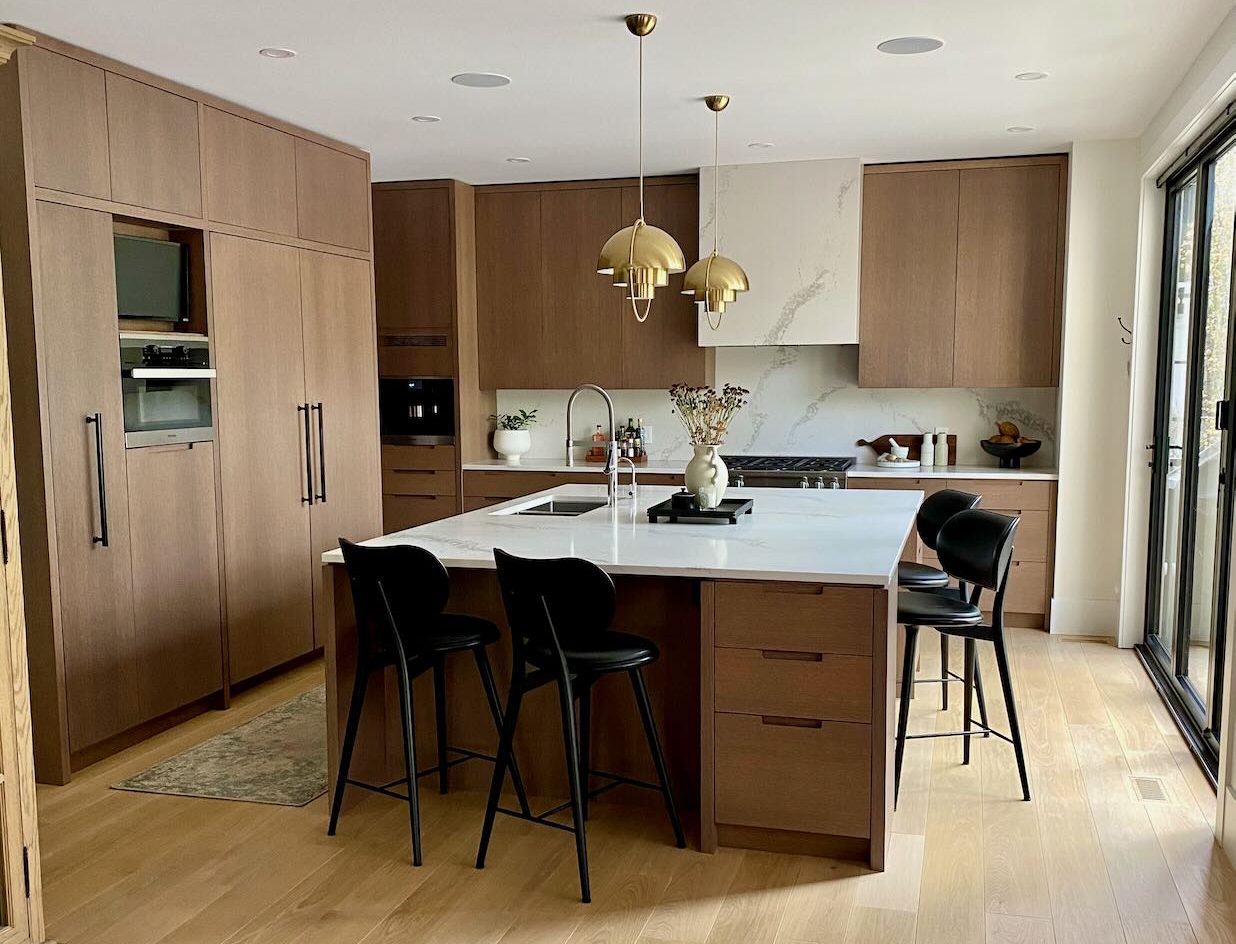
The method that reduces risks and delays
A well-managed project follows a specific sequence: define the scope, verify feasibility, prioritize the work, cost several scenarios, reserve the stakeholders, organize the management of the work, then validate the choices and monitor the execution.
Regular checkpoints allow for monitoring of costs, deadlines, variations, and compliance of the work. They also prevent decisions from being made in haste.
For owner-occupiers, the current law remains applicable until December 31, 2028. The documentation from the Federal Department of Finance allows one to follow the principles of this transition, but each declaration must be confirmed on a case-by-case basis.
Frequently Asked Questions
Until when are renovation costs tax-deductible in Geneva?
For owner-occupiers, the current system remains applicable until December 31, 2028, subject to the specific rules applicable to each situation. From January 1, 2029, standard deductions for maintenance expenses will be largely eliminated.
What work can still be deducted before the reform?
Maintenance work that preserves the property’s value, such as roof repairs, replacing worn siding, or maintaining existing installations, can generally be taken into account. However, the tax classification depends on the exact nature of the work and the owner’s circumstances.
Are payments to a condominium renovation fund tax-deductible?
As a general rule, payments to the renovation fund are not tax-deductible at the time of payment. The actual work carried out may be treated differently depending on its nature, the co-owner’s share, and the available invoices.
How to secure the tax treatment of a construction project spanning 2028 and 2029?
Detailed invoices must be kept, with each item clearly separated, and completion and invoicing dates must be precisely tracked. A Swiss tax advisor or trustee should validate the applicable tax treatment before work begins.
Prepare a solid project now
Until the end of 2028, owner-occupiers in Geneva will retain the current framework for eligible expenses. From January 1, 2029, standard maintenance and renovation deductions will largely disappear for these properties.
The right decision is not to renovate in haste. It is to study a necessary, coherent and well-executed project that can support the property’s increased value, without guaranteeing a specific return or tax treatment.
A Swiss trustee or tax advisor will confirm your situation. The project study will then ensure its feasibility, budget, and supporting documentation. Finally, a professional project manager will oversee the quality, deadlines, and successful completion of the construction.
En 2026, un projet de rénovation à Genève bien préparé reste votre meilleur atout : un périmètre validé, un budget avec sa réserve et des justificatifs propres vous laissent toute la latitude pour profiter du cadre fiscal actuel jusqu’à fin 2028, sans précipitation.