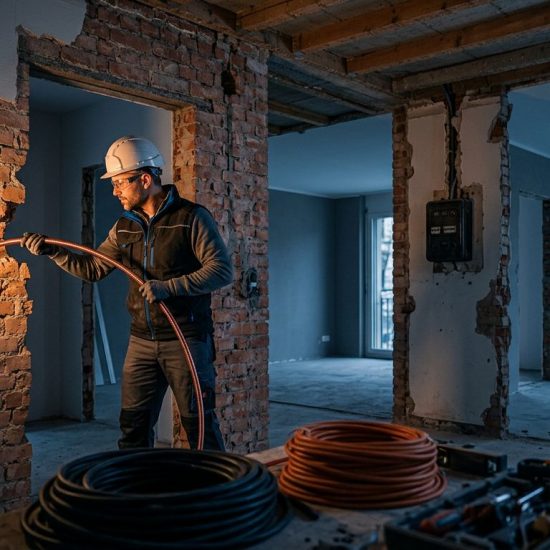
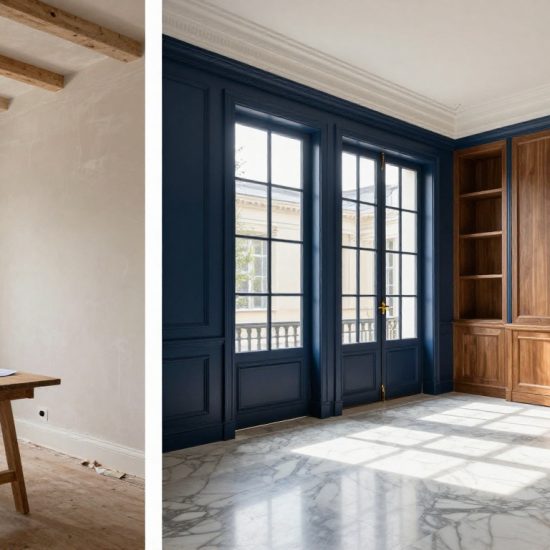
Signing a renovation contract in Geneva without reading it line by line is like working on a construction site in the dark. At first, everything seems simple. Then a hidden pipe, a condominium regulation, or a slipping deadline quickly changes the balance of the project.
A good renovation contract in Geneva protects your budget, your schedule, and your peace of mind. It must define the scope, the price, the decision-making processes, and how to handle unforeseen events. This is where everything is decided, even before the first hammer blows.
Why a vague contract quickly becomes expensive
When the contract specifies “complete renovation” without any additions, everyone imagines something different. The homeowner envisions high-end finishes. The contractor focuses on the bare essentials. This is often where the discrepancy begins.
A concrete example: the contract stipulates “bathroom renovation,” but says nothing about removing the tiles, repairing the walls, or replacing the faucets. Three weeks later, these items reappear as additional charges. The budget balloons, even though the client thought everything had been approved.
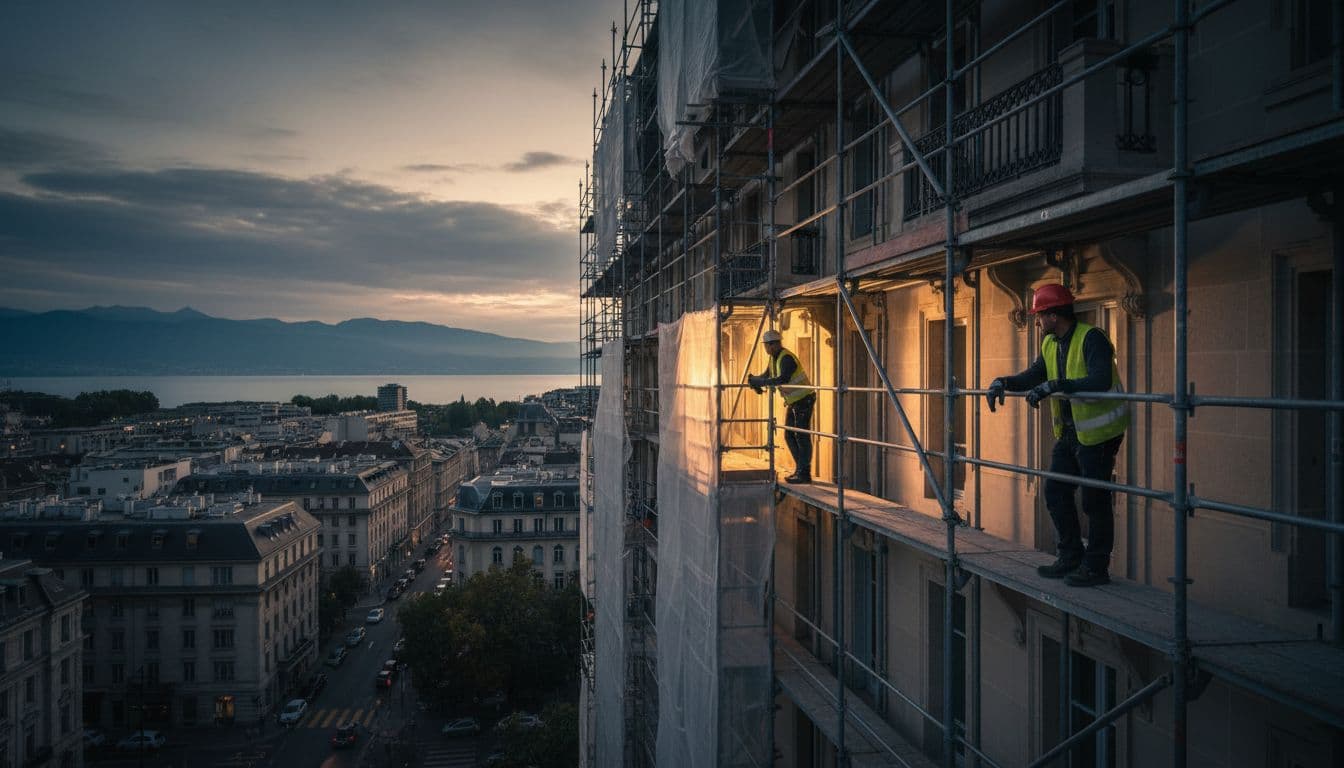
In Geneva, this ambiguity is even more costly for apartments. Common areas must be protected, elevators reserved, schedules must be respected, and approval from the condominium association is required. In a house, the situation is different, but the risks remain the same: access, parking, protecting the surrounding area, noise, and debris removal.

Thorough preparation reduces these blind spots. Defining feasibility, budget, and coordination upstream, as in a high-end renovation project management approach, limits surprises.
The general terms and conditions in use in Geneva also provide useful guidelines. However, they do not replace a contract tailored to your property, your building, and your finishing choices.
Si un point reste oral, considérez qu’il n’existe pas encore.
Clauses to negotiate before signing

The heart of the contract lies in the details. The more carefully planned the project, the more carefully written it must be.
The scope of the work and the finishing touches
Request a precise, room-by-room description. The contract should include dated plans, a detailed estimate, and, if possible, a list of materials. A phrase like “standard finishes” is too broad. It’s better to read “engineered oak flooring, glued installation” or “appliances with approved specifications.”
The same logic applies to tasks that are easily overlooked: removal, disposal, floor protection, waterproofing, paint touch-ups, final cleaning, adjustments, and testing. If the company can offer an “equivalent,” put this in writing: same product range, same performance, same delivery time, and written confirmation from you. It’s also essential to specify who supplies what, especially for equipment, lighting fixtures, and special materials.
The price, the deposits
Sur un chantier résidentiel, le bon prix n’est pas seulement un montant. C’est un montant lié à un périmètre clair. Vérifiez si le contrat parle d’un forfait, de prix unitaires, ou d’une régie horaire. Chaque méthode peut convenir, à condition d’être lisible ; ces modes de calcul interviennent aussi dans les honoraires de direction des travaux à Genève.
Pay close attention to phrases like “additional work billed according to site needs”. Without safeguards, this line opens the door wide.
Execution deadlines, late penalties and changes during construction
The contract must specify a start date, an estimated duration, or an end date. It must also address situations that could extend the project, such as a modification requested by the client or a hidden problem discovered during the process.
A penalty clause for late payment can be useful if it remains realistic. It sets a framework. It also prevents the use of a permanent excuse.
Since January 1, 2026, Swiss law has changed in several aspects of construction contracts. A good summary of the new developments in construction contract law from 2026 onwards helps to understand why site documentation is even more important.
Any modification must be confirmed in writing, with an impact on price and delivery time. Verbal requests are often the starting point of conflict. It’s better to insist on a simple rule: all extras must be subject to a written quote, an assessment of their impact on the delivery time, and a signed agreement before execution, validated by an amendment/change order .
Insurance and liability
These clauses are often relegated to the end. Yet, they matter. Check the company’s liability insurance, and clarify any other insurance coverages that are useful depending on the project.
The main company remains your point of contact and your contractual manager.
This deserves special attention for renovation work in Geneva
À Genève, rénover un appartement ressemble parfois à jouer aux échecs dans un couloir étroit. Il faut gérer la technique, le voisinage, la copropriété et l’accès au chantier, en même temps.
Permits, co-ownership and building constraints that should not be discovered too late
Some projects require specific procedures or approvals. This is common if the project involves distribution, facades, technical installations, or shared elements.
Même sans autorisation lourde, l’immeuble peut imposer ses règles : horaires de chantier, protection des parties communes, usage de l’ascenseur, bruit, évacuation des déchets, accès au parking. En PPE, certains changements, comme modifier une salle de bains, doivent aussi être coordonnés en amont.
The contract should clearly specify who is responsible for these points. Otherwise, delays and unexpected costs will quickly arise.
Common mistakes individuals make before signing, and how to avoid them
The same mistakes often happen. They seem small at first, but then they become costly.
- If you are signing a quote that is too vague, correct it with a detailed description and attachments.
- Forget about insurance, ask for proof before the work begins.
- Leave the clause blank regarding delays; add a simple one.
- Modifier le projet oralement, formalisez chaque changement.
- To avoid paying too high a deposit, link payments to verifiable milestones.
Before signing, reread five points in particular: scope, price, deadline, delivery, guarantees.
FAQ on renovation contracts in Geneva
Is a signed quote enough to start a renovation?
Sometimes, an accepted quote can be considered an agreement. But for a serious renovation, a proper contract is better, with appendices, deadlines, and payment terms.
Should you choose a fixed price for renovating an apartment in Geneva?
A fixed-price contract is suitable if the scope is clear. If the existing conditions are uncertain, the project should be structured around assumptions and contingencies, with justifications provided during construction.
What should be done if defects appear after the completion of the construction work?
Report them promptly, keep evidence, and review the contract. Then request a clear, written acknowledgment of the defects. If the dispute escalates, professional legal advice may be helpful.
A vague contract often costs more than a well-reviewed one. In a renovation project in Geneva, the sensitive points almost always remain the same: price, deadlines, changes, handover, and warranties.
So take the time to compare, ask your questions, and clarify any ambiguities. A well-drafted quote and renovation contract in Geneva isn’t just a formality; it’s your best protection even before the first hammer strikes.